
Measure before you treat
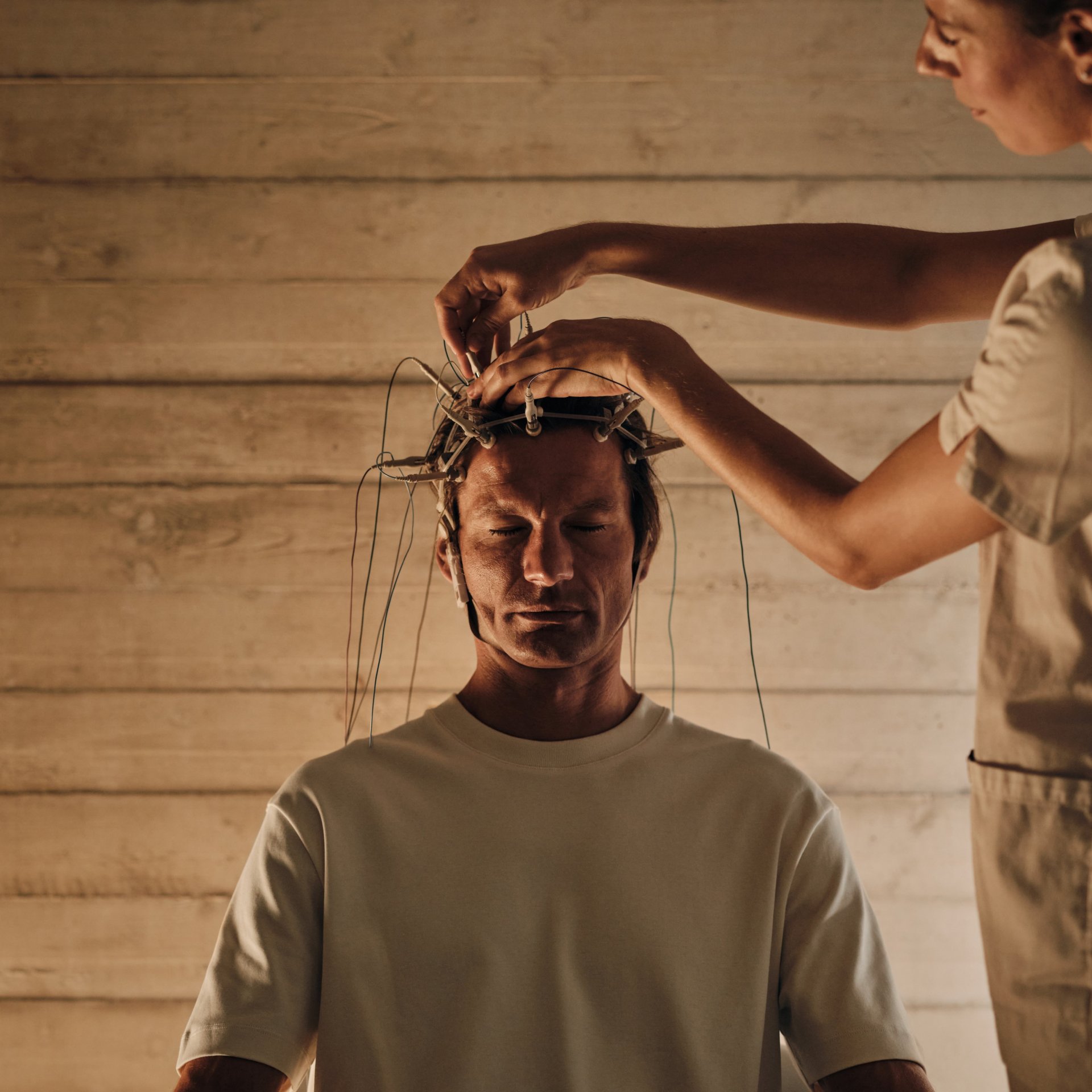
24-hour heart rate variability and a cortisol day profile show how your nervous system actually responds to load and recovery. Your therapy is built on these findings, not on assumptions.
Submenu items for Home coming soon — add them in /cp under Navigation → Header — Primary.
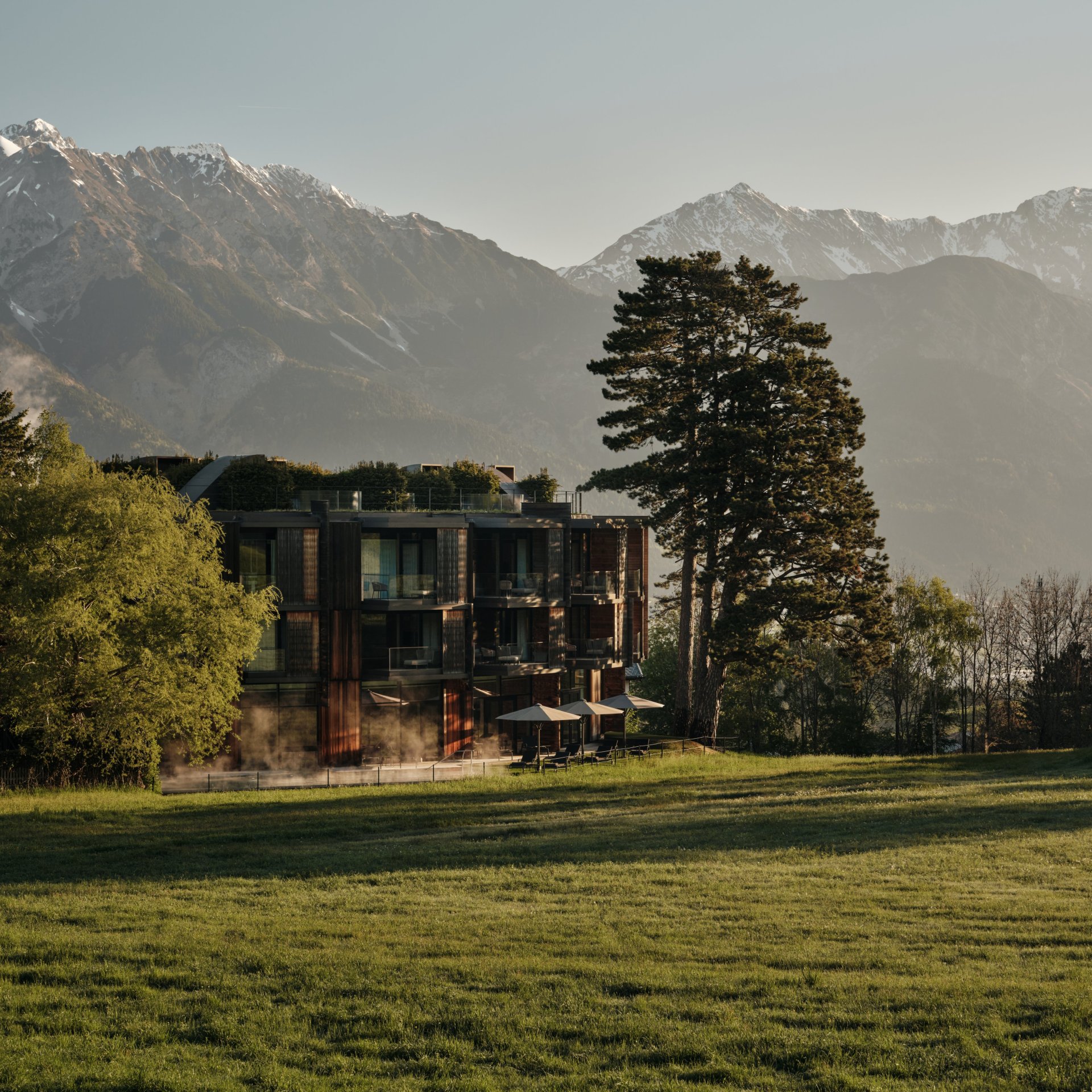
Lans
AustriaThe original destination for deep medical reset and metabolic renewal.
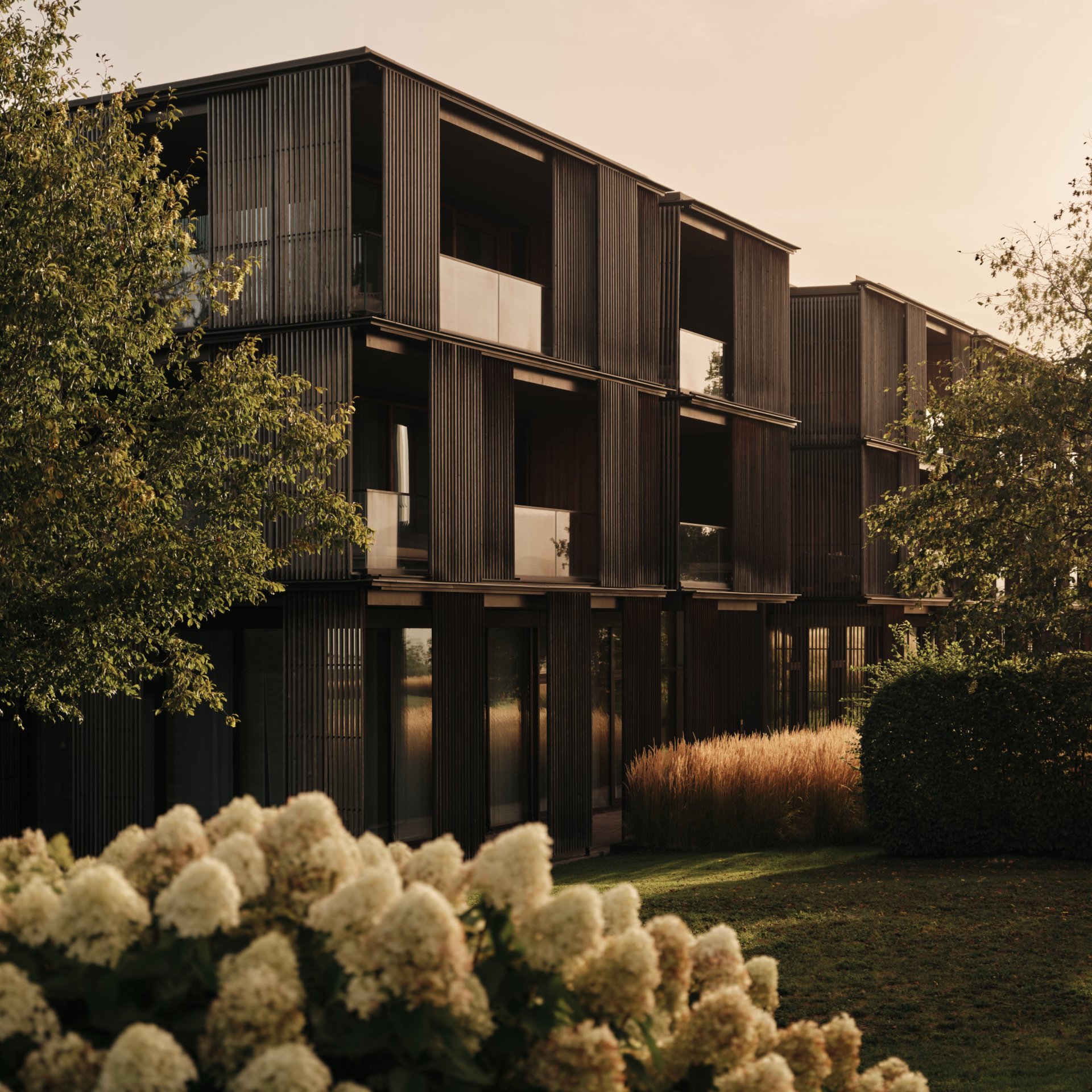
Tegernsee
GermanyThe most comprehensive destination for prevention, recovery and performance.
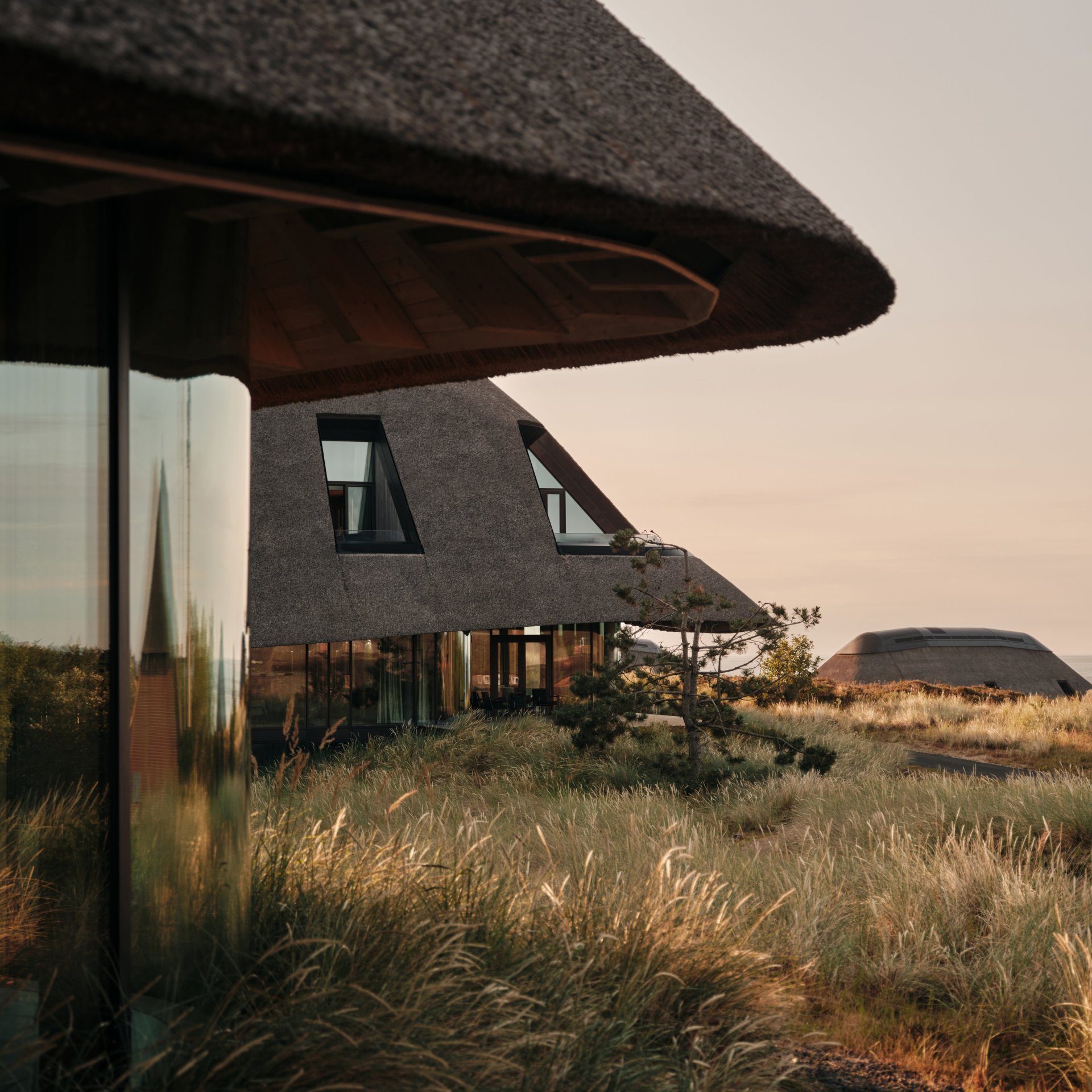
Sylt
GermanyThe seaside destination for stress relief, sleep and vital regeneration.
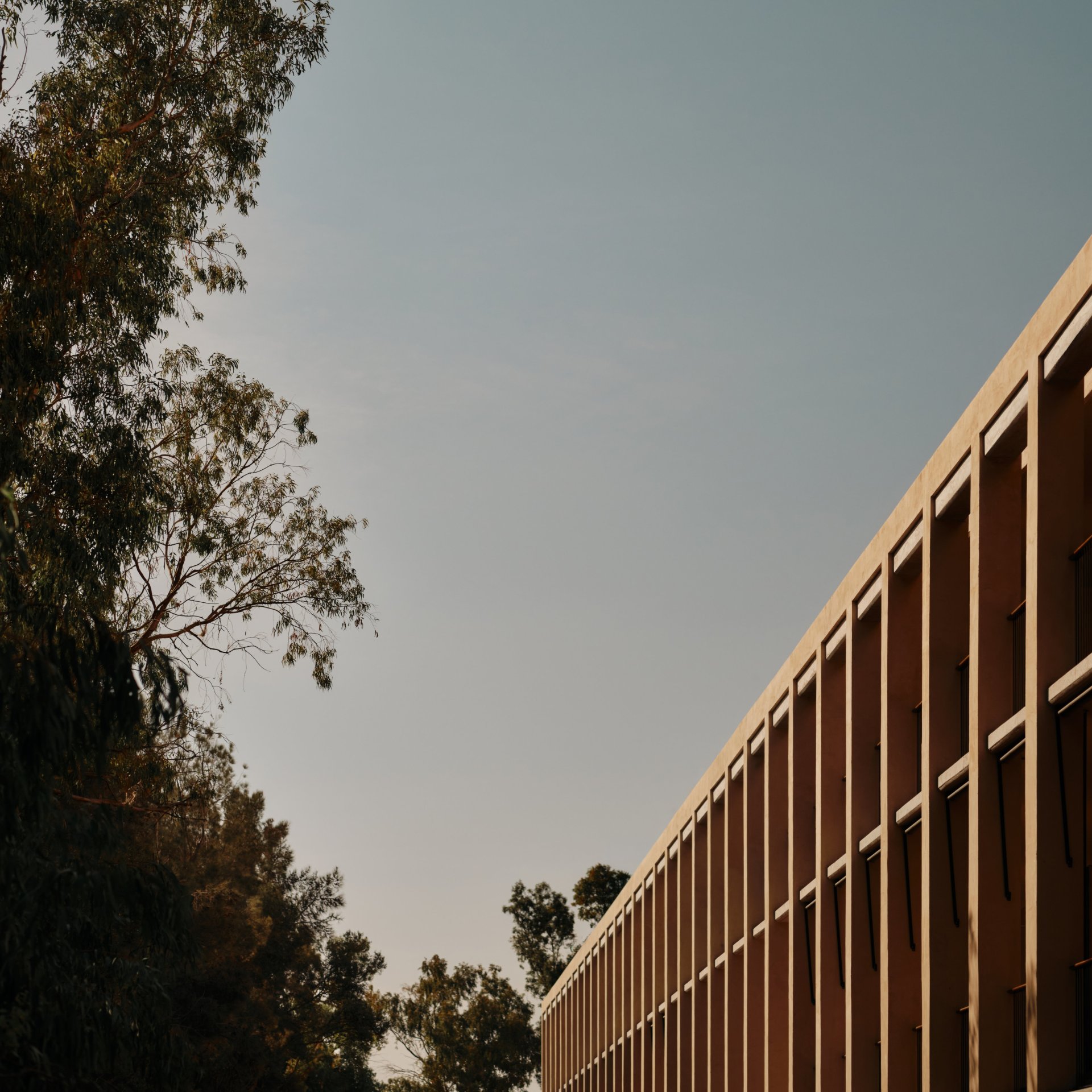
Marbella
SpainThe Mediterranean destination for longevity, beauty and restorative wellbeing.

The original Lanserhof Concept for regeneration.
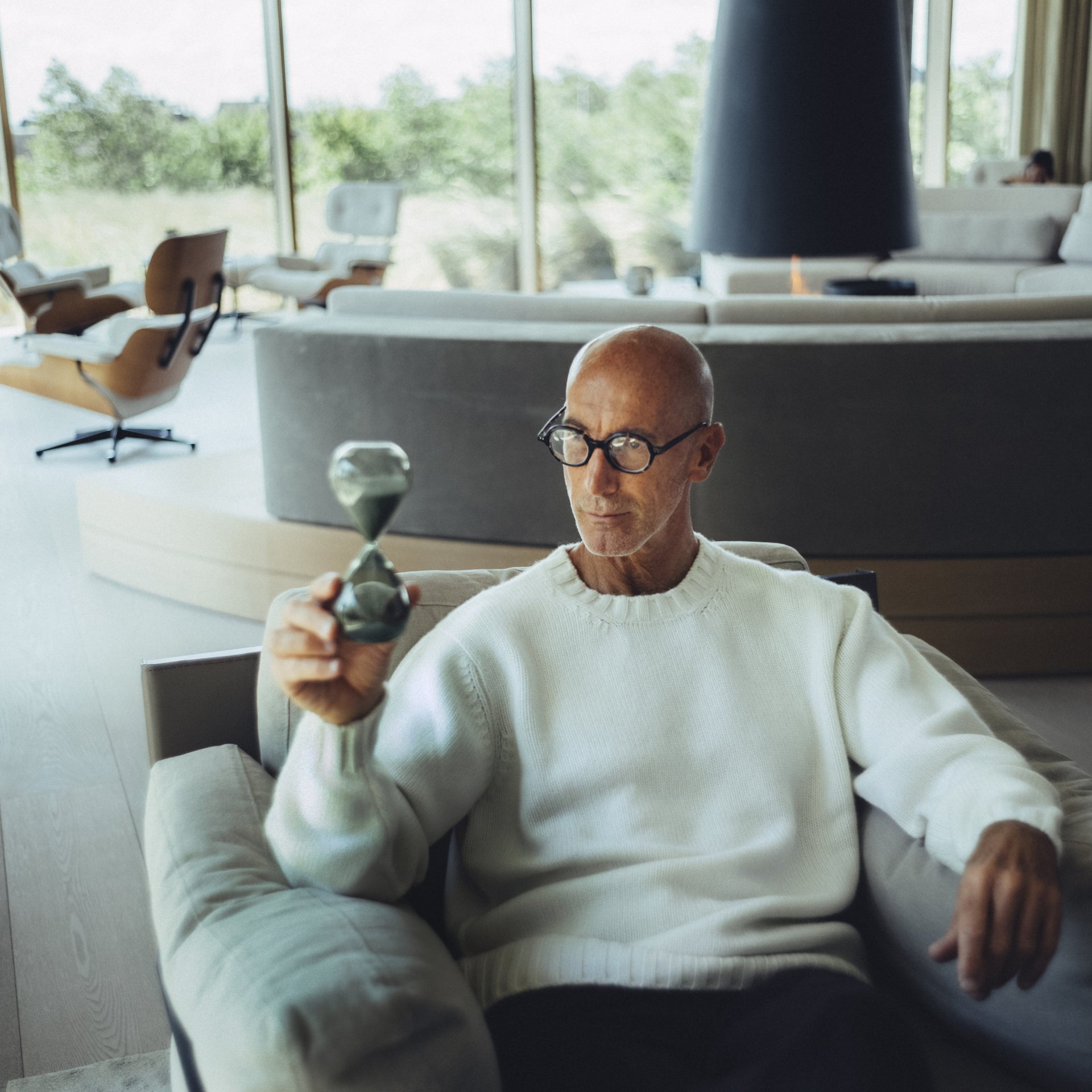
Precision diagnostics to slow biological ageing.

Sustainable weight regulation, medically led.
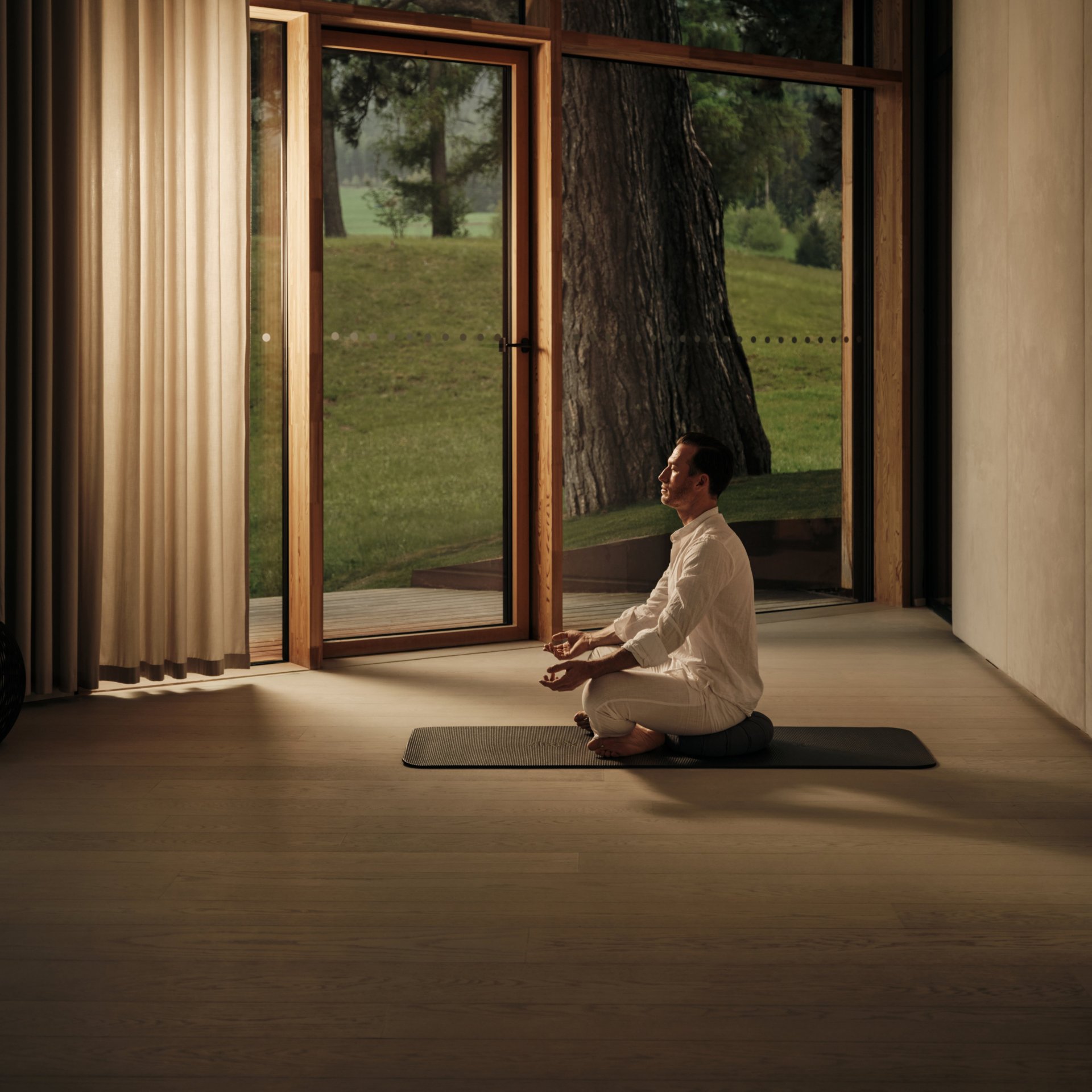
Medically guided resilience against stress.

Regenerative sleep, restored without medication.
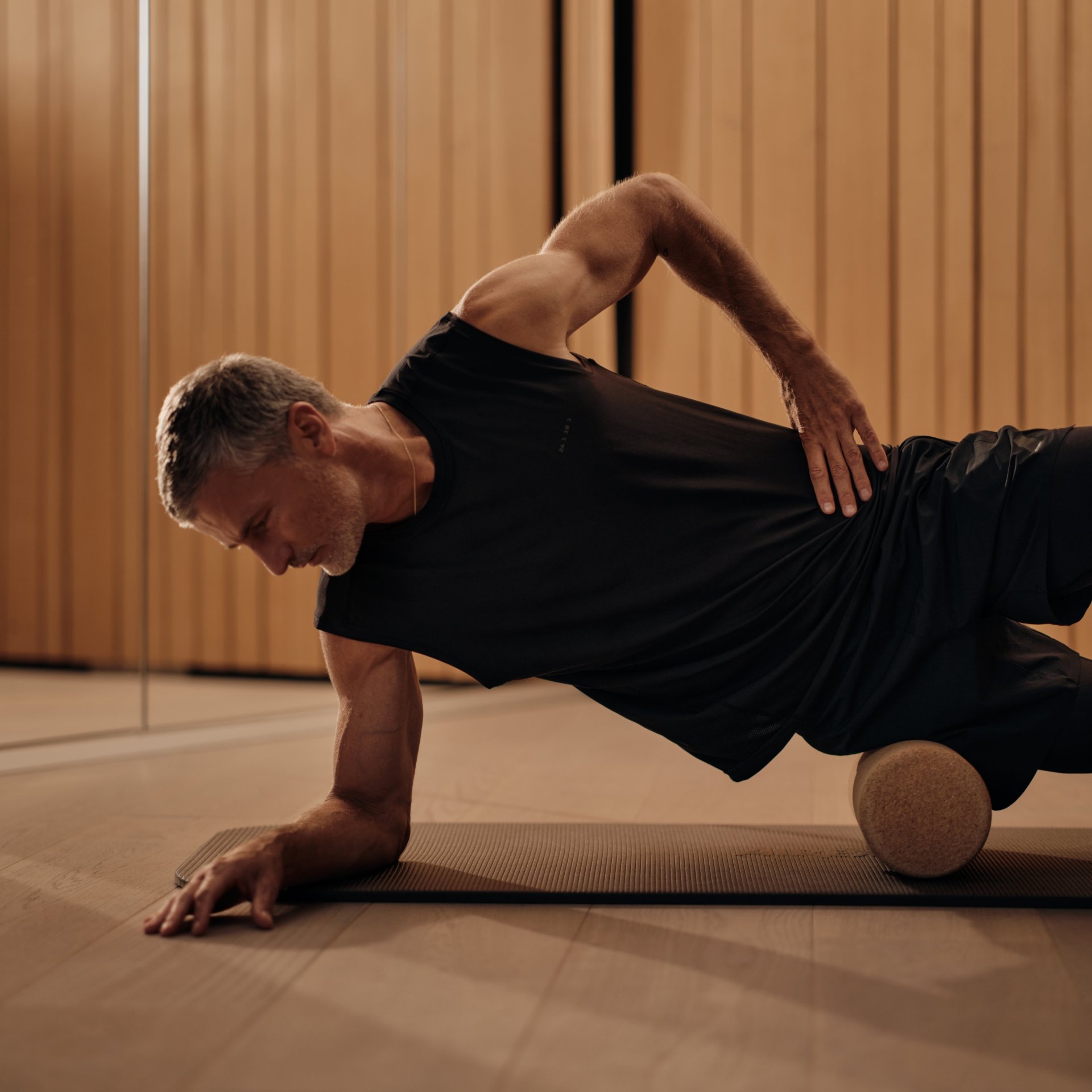
Strength and vitality before and after surgery.

Bringing the immune system back into balance.
Protecting cognitive health through early detection.
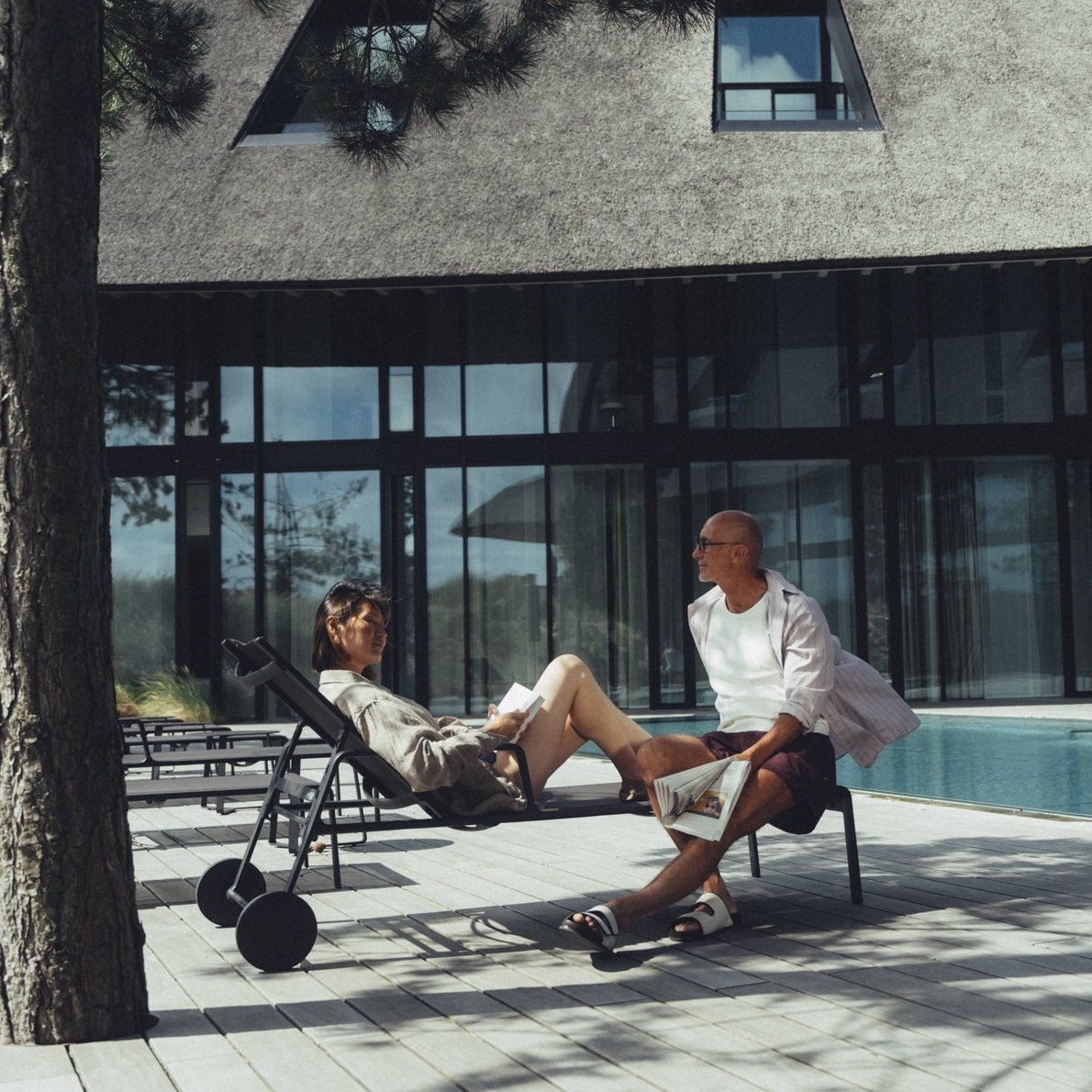
Precise care for hormonal and gender-specific health.
Smarter training, better movement, deeper recovery.

Restorative relaxation beyond traditional wellness.
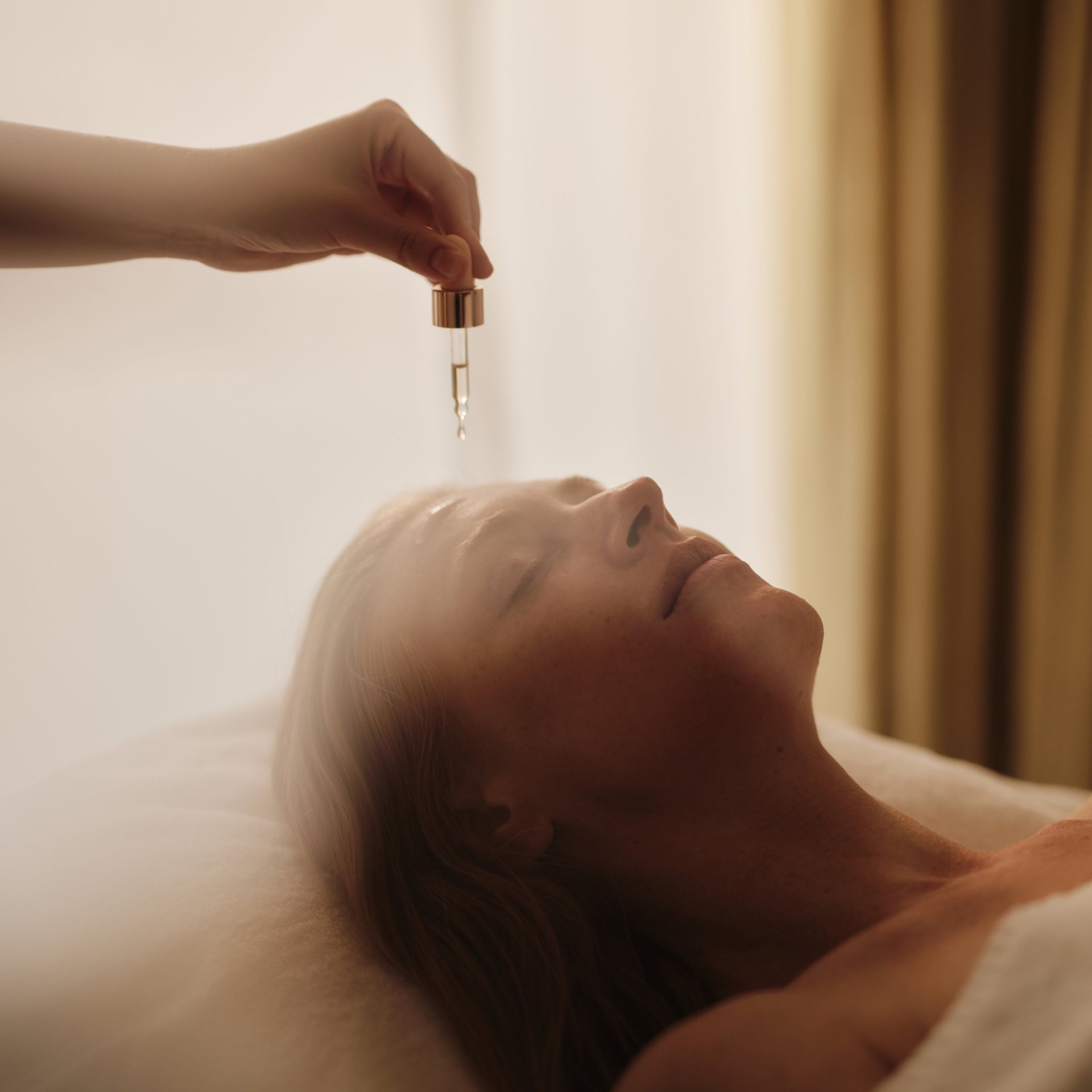
Natural radiance from skin health and inner balance.
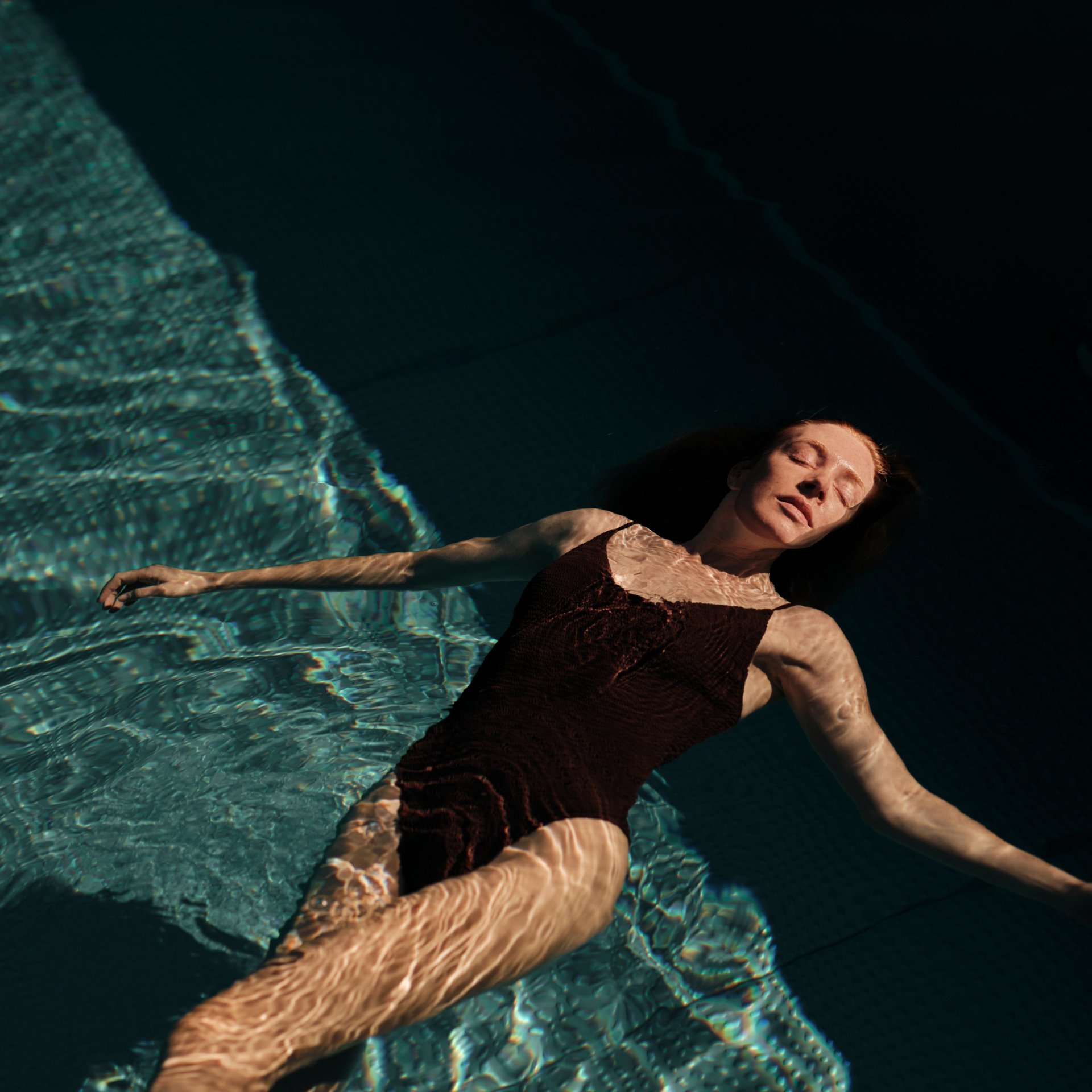
Reconnecting with your inner balance.
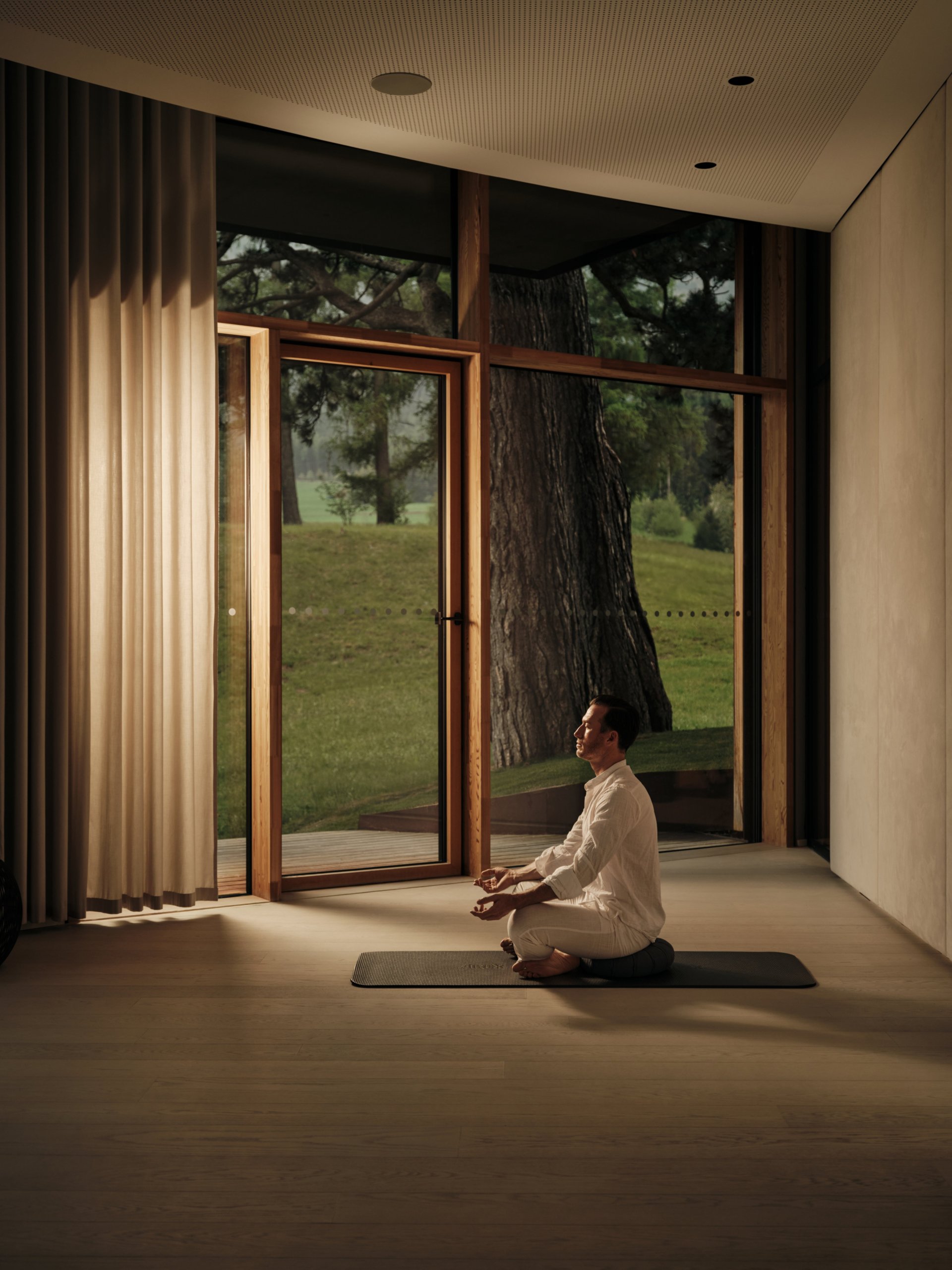
A medically guided approach to strengthening your stress resilience by addressing both the physiological and psychological effects of stress.
Calm is not the absence of stress.
It is the ability to recover.
Heide Ziegenbein
Lanserhof Sylt
Our physicians explain how chronic stress affects the nervous system, the heart and sleep, and how resilience can be measured and trained.
¹ World Health Organization (2022): Mental health at work. Fact sheet.
² Kivimäki et al. (2012): Job strain as a risk factor for coronary heart disease: a collaborative meta-analysis of individual participant data. The Lancet 380(9852).
³ Balban et al. (2023): Brief structured respiration practices enhance mood and reduce physiological arousal. Cell Reports Medicine 4(1).
Because lasting calm needs more than a break: it needs precise diagnostics, medical guidance and methods you can carry into everyday life.
24-hour heart rate variability and a cortisol day profile show how your nervous system actually responds to load and recovery. Your therapy is built on these findings, not on assumptions.
Choose the setting that supports you: the Stress Resilience programme on Sylt, the Mental Health programme in Lans or the Me-Time retreat at Tegernsee. Each resort combines the Lanserhof Concept with the calm of its landscape.
Every stay begins with a detailed medical consultation. Your physician reviews your history, your sleep and your current load, then defines a personal therapy plan that combines modern medicine with naturopathy.
Diagnostics include 24-hour HRV measurement, a cortisol day profile and, where indicated, a sleep analysis. These objective data show how deeply stress has affected your physiology and where recovery should begin.
Breathwork, guided relaxation and nervous-system regulation are practised daily under supervision. You learn techniques that shift the body from alarm to recovery and that continue to work at home.
Psychological coaching addresses thought patterns, boundaries and the sources of overload. Sessions are confidential and individual, designed to leave you with practical strategies rather than theory.
Progress is measured, not guessed. Follow-up HRV and questionnaire data document how your resilience has changed, and our physicians give you a clear plan for maintaining it after your stay.
Stress resilience programmes at our resorts in Lans, at Tegernsee and on Sylt. All prices are per person and exclude accommodation.
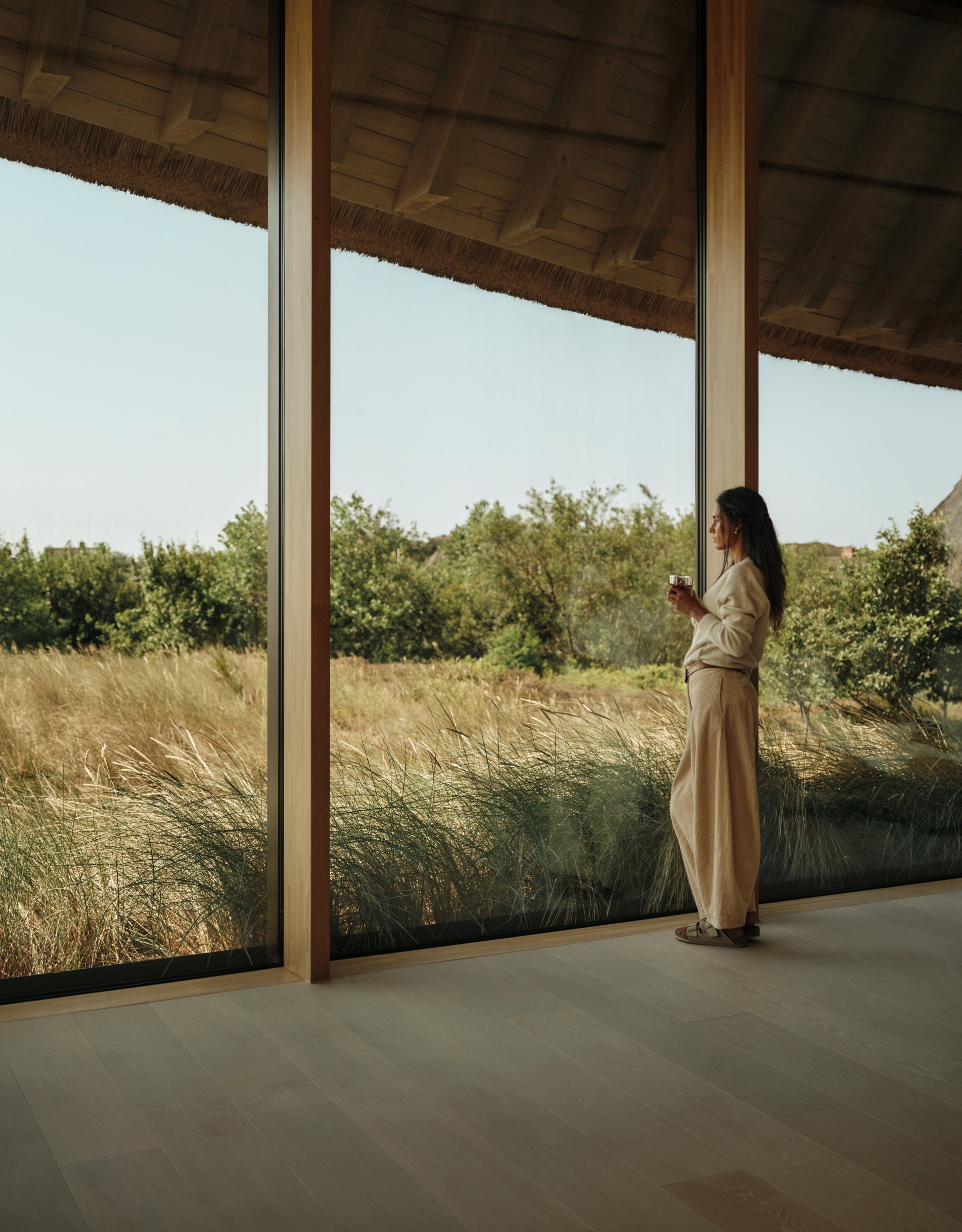
Our physicians tailor every stay to your findings, your goals and the time you are able to give yourself.
Stress resilience describes the capacity of body and mind to withstand pressure and to return to balance afterwards. At Lanserhof, we treat it as a medical topic: chronic stress changes hormone levels, heart rhythm, sleep and immune function long before it is felt as exhaustion. Our programmes on Sylt, in Lans and at Tegernsee combine diagnostics, therapy and coaching to restore this balance in a measurable way.
Before any therapy, we want to understand how your nervous system is functioning. A 24-hour measurement of heart rate variability shows the balance between activation and recovery across a full day and night. A cortisol day profile reveals whether your stress hormone still follows its natural rhythm. Together with a detailed medical consultation and, where useful, a sleep analysis, these findings form the basis of an individual therapy plan.
Resilience cannot be prescribed; it is trained. Daily breathwork and nervous-system regulation teach the body to leave the alarm state and recover more quickly. Regenerative sleep is supported through chronobiology and sleep hygiene. In psychological coaching, you examine the patterns and demands that keep the pressure high and develop strategies that hold in everyday life. Movement in nature, whether on the North Sea coast or in the Alps, completes the programme.
The aim of every Lanserhof programme is a lasting effect. Follow-up measurements document how your heart rate variability, sleep and subjective well-being have changed. Our physicians translate these results into a clear plan for home: which techniques to keep practising, how to protect your sleep and when a follow-up makes sense. This way, stress resilience becomes a skill you own rather than a temporary state.
Searching… of results Nothing matched that search.
Results appear as you type. Two letters are enough.