


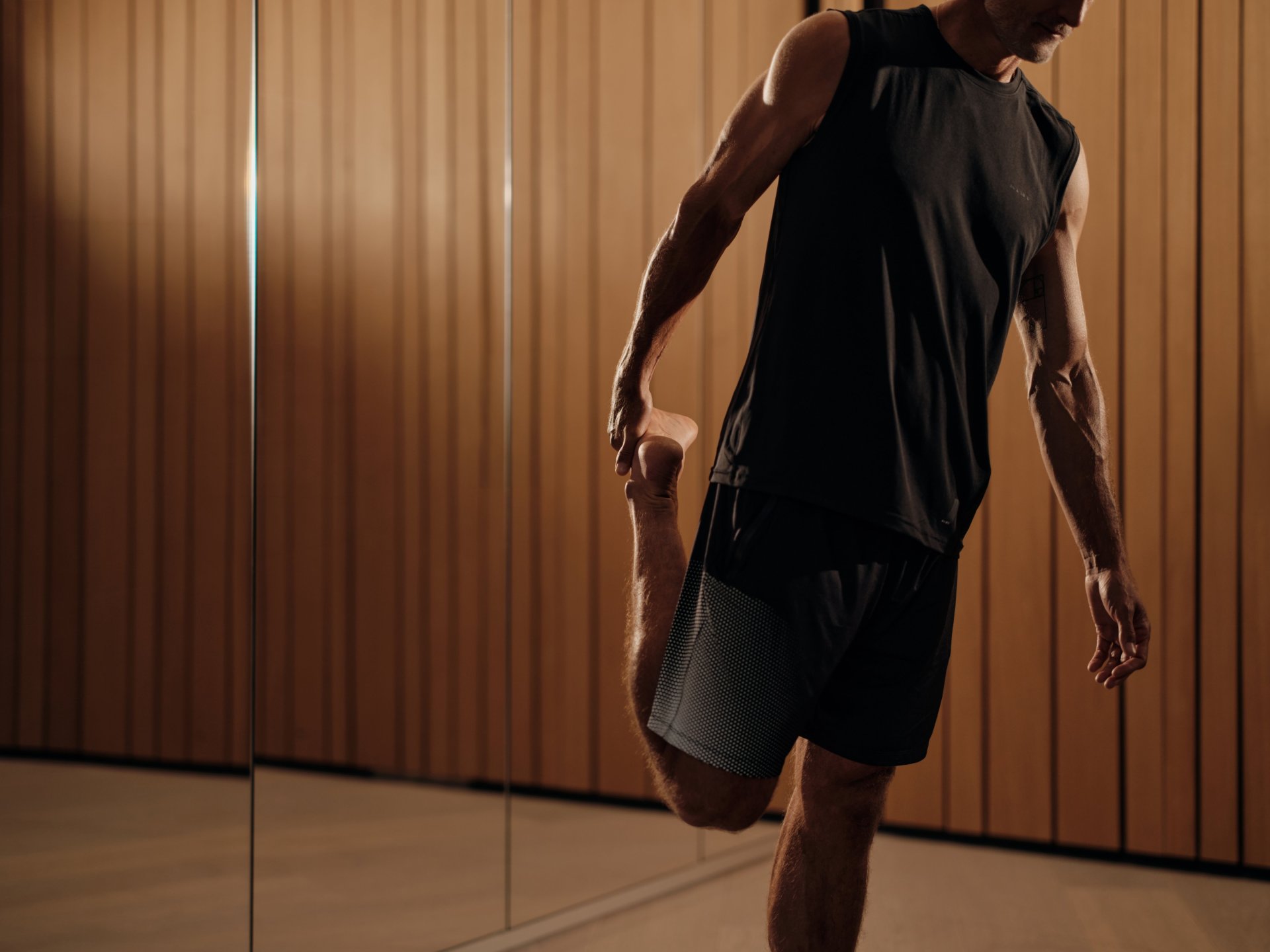
Movement & Recovery
Movement & Recovery combines individual movement concepts with targeted regeneration to strengthen the body's natural performance and promote lasting vitality.
Get moving. Restore your strength.
Movement is an important foundation for health, mobility and physical performance. Yet more movement is not automatically better. What matters is which form of movement suits your body, how intense it should be and how much regeneration you need afterwards.
That is why at Lanserhof we look at movement and rest together. Targeted activity sets impulses. Regeneration gives the body the time to respond, to adapt and to build new strength.
Individual rather than by training plan
Everyone starts from a different point.
Both are firmly anchored in the Lanserhof Concept and are always considered in the context of your individual state of health.
Some guests are very active in sport and want to maintain or improve their performance. Others want to find a healthy relationship with movement again. Others still come to us with complaints, limitations or after injuries.
That is why there is no single training that suits everyone.
Your movement programme is guided by your physical starting point, your personal goals and the medical findings of your stay.
The aim is not to train as intensely as possible, but to set the right stimulus at the right time.
Movement as part of medicine
At Lanserhof we do not regard movement merely as sport. It can be part of prevention, therapy and regeneration.
Strength, endurance, mobility, stability, coordination and balance each serve different purposes. Which of them take centre stage depends on what your body needs.
Physicians, sports scientists, physiotherapists and osteopaths work closely together. Movement can thus be linked to medical findings and therapeutic goals.
Strength, endurance and quality of movement
Muscle strength supports posture, stability and resilience in everyday life. With increasing age, maintaining it becomes all the more important.
The cardiovascular system also benefits from regular exercise. What matters, however, is always the individually appropriate intensity.
Mobility, coordination and balance are equally important. They help to perform movements safely and to perceive one's own body more consciously.
For us, Movement therefore does not only mean becoming stronger or fitter. It is also about moving more functionally, more safely and more consciously.
Step by step back into movement
After injuries, surgery or longer periods of physical limitation, the focus is not on boosting performance but on a controlled way back to strength, mobility and confidence.
Physiotherapeutic support, medical expertise and targeted training can interlock here.
The load is built up step by step and adapted to your personal situation.
Recovery begins with the right measure
Training sets a stimulus. The actual adaptation, however, takes place during recovery.
That is why regeneration is as natural a part of Movement as the movement itself.
Too little load barely sets an impulse. Too much load can hinder recovery. Health-oriented movement therefore looks for the right balance between activity and rest.
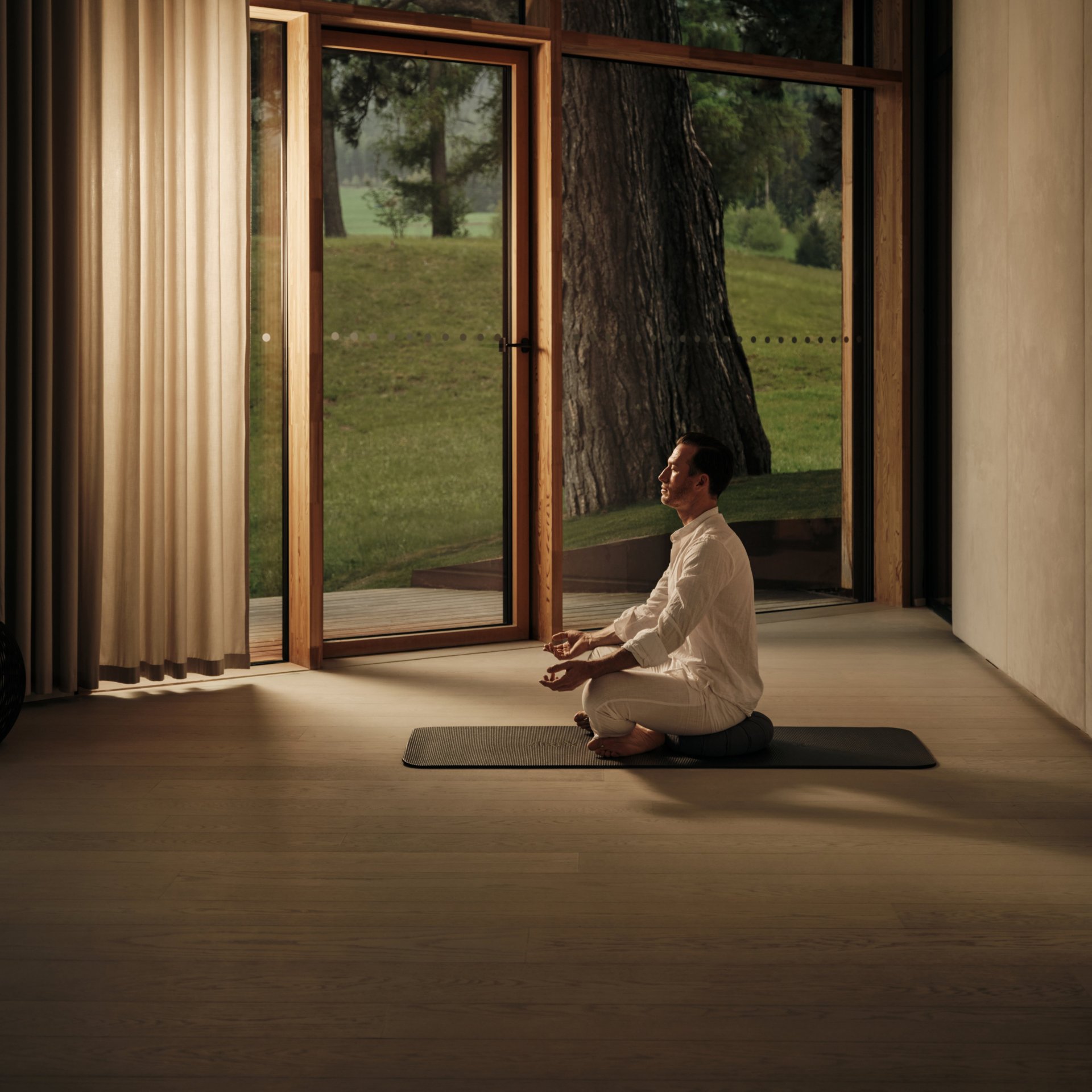
During your stay, activating sessions alternate with quieter phases, therapies, sleep and conscious rest.
Regeneration is more than rest
Recovery can take many forms.
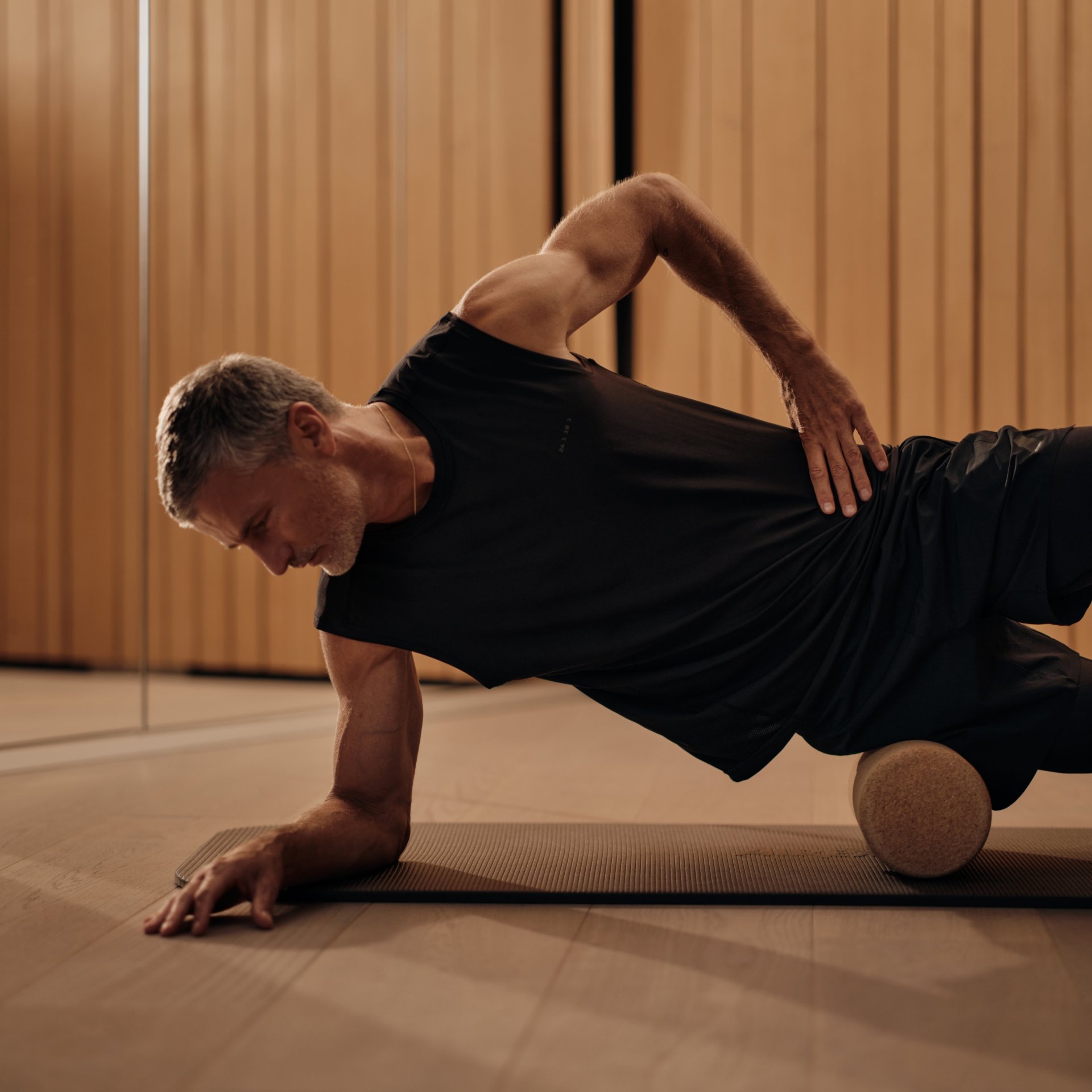
Sometimes it means sleep and conscious rest. Sometimes mobilisation, stretching or a gentle movement session. Heat, cold, physical applications or physiotherapeutic measures can also be part of an individually tailored approach.
Regeneration therefore does not mean passivity. It means giving the body what it needs for the next phase.
Movement as part of the day
Movement and relaxation are deliberately woven into the daily routine of your stay.
Regular activation and targeted rest create a rhythm in which the body is challenged and, at the same time, given enough time to regenerate.
Beyond that, your movement programme can be extended individually according to your personal goals and physical prerequisites.
Understanding your own performance
Anyone who wants to train purposefully should know where they stand.
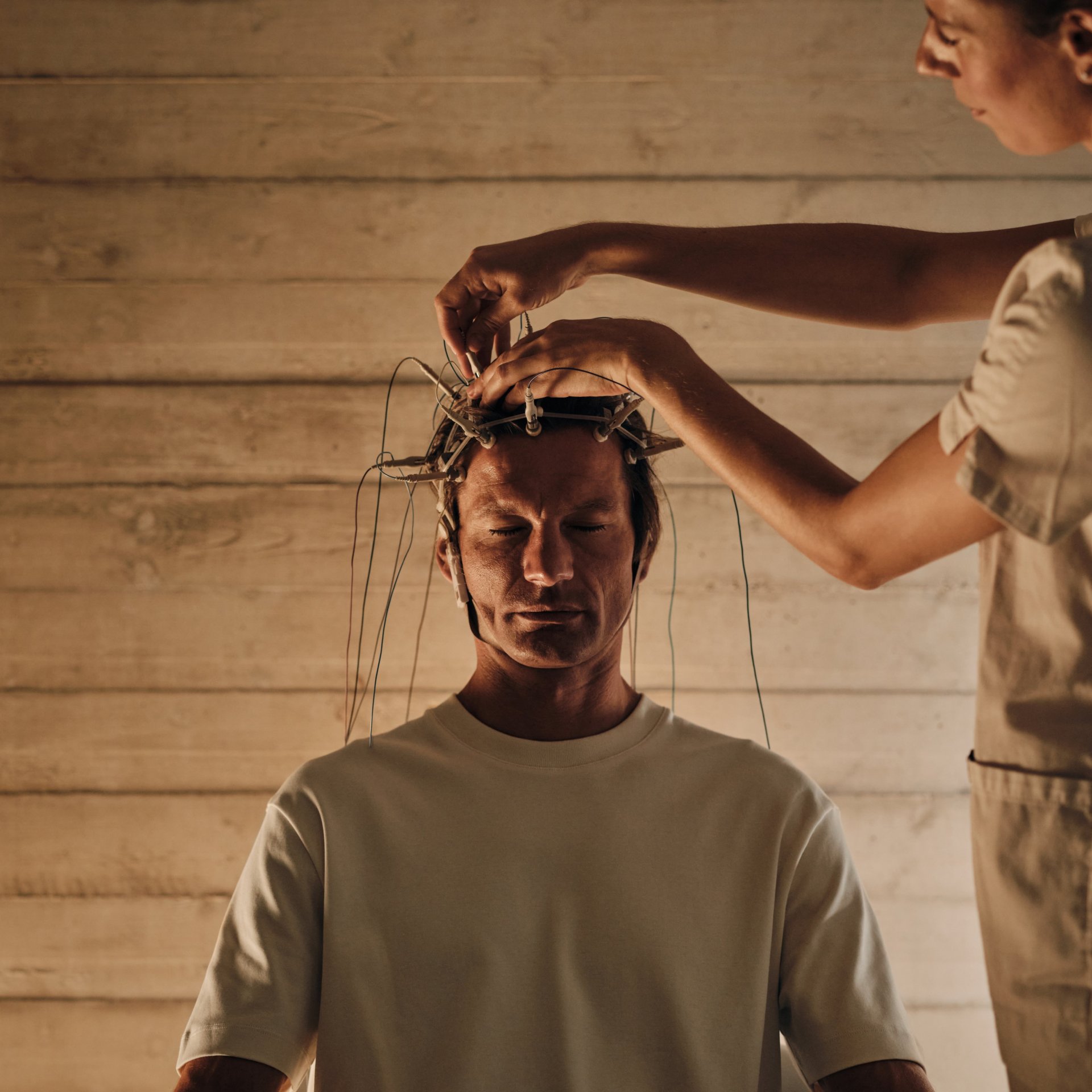
Diagnostic procedures can help to assess endurance, strength and physical performance more precisely. These findings make it possible to tailor training impulses more accurately to your personal starting point and to make progress traceable.
Movement thus follows a central principle of the Lanserhof Concept: understand first, then act with purpose.
Different ways to more movement
Not every training needs high intensity.
Pilates, yoga, exercise in water, functional training or activities in nature set different physical stimuli and at the same time foster conscious body awareness.
New forms of movement can also give valuable impulses and help to experience movement more positively and more consciously again.
Physical activity during your stay can thus take many forms and be adapted individually to your needs.
Not maximal, but fitting
Movement should support health and never become an end in itself.
That is why we always consider physical activity in the context of nutrition, regeneration, medical status and personal resilience.
The goal is not maximum performance. What matters is a form of movement that challenges your body sensibly, allows sufficient rest and can be integrated into your everyday life in the long term.